
Reimagining Gas Stations: The Future of EV Charging Integration

Electric vehicles (EVs) are no longer a niche market. As more drivers switch to electric, the demand for accessible and efficient charging options grows rapidly. Traditional gas stations, once the go-to for refueling, face a critical moment: adapt or risk becoming obsolete. Modernizing gas stations to include EV charging stations offers a practical solution that benefits drivers, businesses, and the environment. This post explores how gas stations can evolve to meet the needs of today’s drivers and what this means for the future of travel.

Why Gas Stations Need to Change
Gas stations have served drivers for over a century, but the rise of electric vehicles challenges the traditional model. EVs require charging infrastructure that differs significantly from gasoline pumps. Without convenient charging options, EV drivers face range anxiety and limited travel freedom.
Many drivers still rely on gas stations for quick stops, snacks, and restrooms. By adding EV charging stations, gas stations can maintain their role as essential travel hubs. This change supports drivers who want to switch to electric without sacrificing convenience.
Key Benefits of Adding EV Charging Stations
Convenience for Drivers
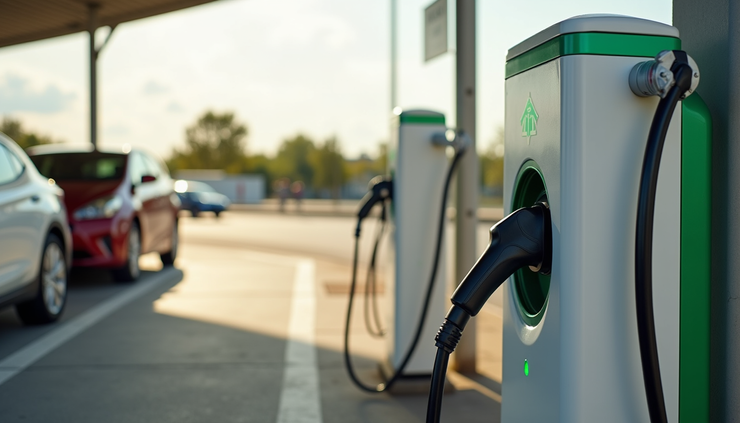
EV charging at gas stations allows drivers to recharge during routine stops. Fast chargers can deliver significant battery power in 20-30 minutes, enough time to grab a coffee or use the restroom.
Increased Revenue for Station Owners
Offering EV charging attracts a new customer base. Stations can charge fees for electricity, sell related products, and increase foot traffic.
Environmental Impact
Supporting EV adoption reduces greenhouse gas emissions and air pollution. Gas stations that add charging stations contribute to cleaner transportation.
Future-Proofing the Business
As EV sales grow, gas stations without charging options risk losing customers. Early adopters of EV infrastructure position themselves as leaders in the evolving market.
How Gas Stations Can Integrate EV Charging
Adding EV chargers requires planning and investment. Here are practical steps gas station owners can take:
Assess Location and Power Availability
Evaluate the station’s electrical capacity. Fast chargers need substantial power, sometimes requiring upgrades to the electrical system. Stations near highways or urban centers often see higher demand.
Choose the Right Charging Equipment
Level 2 Chargers
Suitable for longer stops, such as overnight parking or shopping trips. They provide moderate charging speeds.
DC Fast Chargers
Deliver rapid charging, ideal for drivers who want to recharge quickly during short breaks.
Design for Easy Access and Safety
Position chargers in visible, well-lit areas with clear signage. Ensure safe pedestrian pathways and consider weather protection like canopies.
Offer Additional Amenities
Drivers appreciate amenities during charging waits. Clean restrooms, food options, and comfortable seating enhance the experience.
Use Smart Technology
Integrate payment systems that accept contactless cards or mobile apps. Real-time charger availability updates help drivers plan stops efficiently.
Examples of Successful EV Charging Integration
Several gas station chains have started adding EV chargers with positive results:
Shell Recharge
Shell has installed fast chargers at many locations worldwide, combining traditional fuel with EV charging. This approach attracts a broader range of customers.
BP Pulse
BP offers a network of EV chargers across its stations, focusing on fast charging to reduce wait times.
Pilot Flying J
This truck stop chain includes EV chargers alongside diesel pumps, catering to long-haul drivers transitioning to electric trucks.
These examples show that integrating EV charging is feasible and profitable.
What Drivers Should Expect at Modernized Gas Stations
Drivers will notice several improvements as gas stations add EV chargers:
More Charging Options
Stations will offer a mix of fast and standard chargers to suit different needs.
Clear Signage and Navigation
Apps and on-site signs will guide drivers to available chargers.
Integrated Payment Methods
Easy payment options reduce hassle and speed up the charging process.
Enhanced Amenities
Stations will focus on comfort and convenience during charging stops.
Challenges and Considerations
While the benefits are clear, gas stations face challenges:
High Initial Costs
Installing fast chargers and upgrading electrical systems can be expensive.
Space Limitations
Some stations may lack room for additional charging bays.
Grid Capacity
Local power grids must support increased electricity demand.
Maintenance and Reliability
Chargers require regular upkeep to ensure consistent service.
Despite these hurdles, the long-term advantages make EV charging integration a smart investment.
What This Means for the Future of Driving
As gas stations evolve, drivers will enjoy a seamless transition to electric vehicles. The convenience of charging during familiar stops reduces barriers to EV adoption. Over time, this shift will support cleaner air, lower fuel costs, and a more sustainable transportation system.
Drivers can prepare by:
Planning routes with EV charging stations in mind
Using apps that show charger locations and availability
Supporting stations that invest in EV infrastructure
Gas stations that embrace this change will remain vital parts of the driving experience for years to come.


Comments